For councils & managers · 6 minute read
A clearer small-works brief for your strata
A practical small-works brief for strata repairs and painting
Read the guideFor councils, managers & property owners
Bring the small work into one clear conversation: shared-space painting, finish repairs, turnover lists and the details that make a building feel cared for.
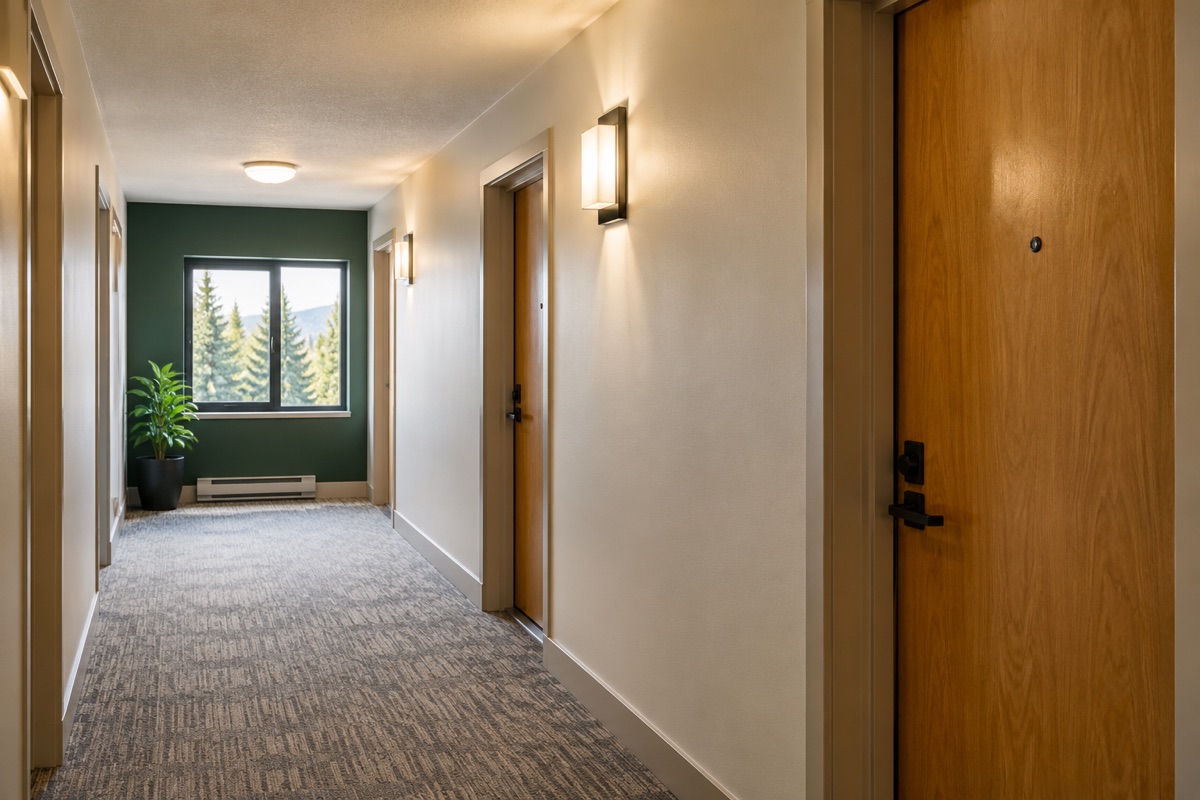
Send one consolidated list with photos, locations and priorities. Include the person who can approve the work, any pending council decision, and the access or resident-notice requirements.
Confirm the scope, materials, exclusions and expected close-out information before booking. For a small project, that may be a short completion list and a walkthrough rather than a complicated reporting package.
For each item, name the location, describe the condition and explain the finish you want. “Repair the dent beside the lobby door and repaint that wall” is clearer than “freshen the entrance.” Decide whether nearby surfaces are included and whether an exact colour match is important.
If the request covers several units or common areas, give each location its own line. Note what can be grouped into one visit and what depends on separate access. A small, organized brief helps avoid different people approving different versions of the same job.
Discuss working hours, occupied areas, routes that must stay open and responsibility for resident notices. Scheduling starts with these practical details, not just the preferred completion date.
Read the strata small-works guideKeep it practical
For councils & managers · 6 minute read
A practical small-works brief for strata repairs and painting
Read the guideFor property owners · 5 minute read
A practical turnover checklist for landlords and property managers planning small repairs, paint, materials and access between tenancies.
Read the guideFor homes & businesses · 5 minute read
Plan an occupied-property painting project with clear room sequencing, surface preparation, access, protection and finish decisions.
Read the guideA few useful answers
Yes. Send one list with the exact locations, photographs and your priorities. Include any access limits and the person authorized to approve the work. It is useful to distinguish essential repairs from optional improvements.
Include the community, areas affected, desired result, working hours, access arrangements and approval contact. State whether council or owner approval is still pending. Do not include entry codes in an initial request.
Include occupied areas, routes that must stay open and any resident notice requirements when requesting the estimate. The sequence and schedule need to be agreed before booking.
Your next step